

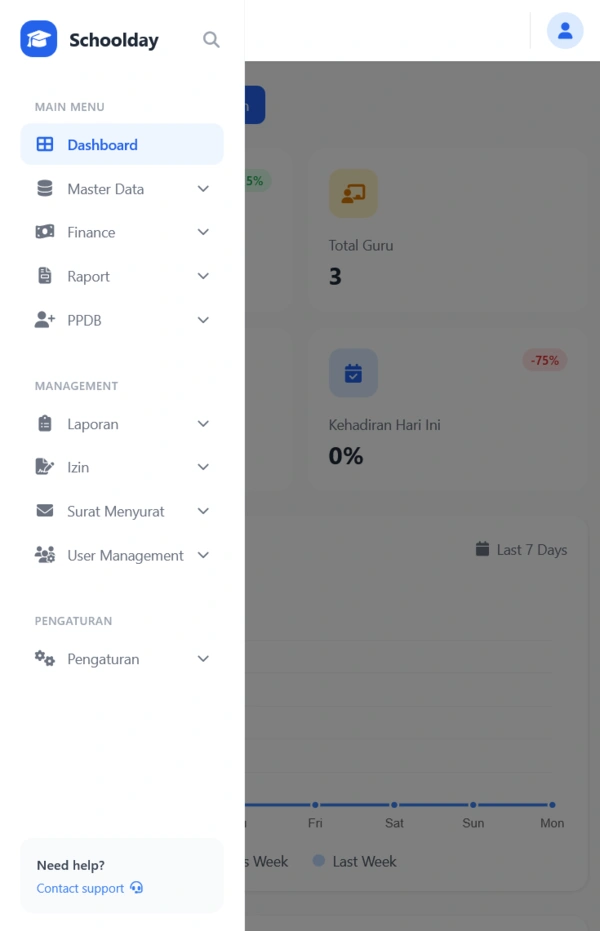
Navigating the complexities of modern educational administration requires far more than traditional spreadsheets and isolated software tools. In today’s rapidly evolving digital landscape, institutions from localized kindergartens to expansive, multi-branch universities face immense pressure to optimize workflows, secure sensitive personal data, and maintain transparent communication with stakeholders. The strategic adoption of a robust, cloud-native school management system is no longer just an innovative upgrade; it is a critical necessity for survival, compliance, and pedagogical excellence. By transitioning to a centralized digital framework, educational leaders can systematically eradicate data silos, significantly lower administrative overhead, and refocus their most valuable asset their educators' time directly on student success and curriculum delivery.
What Exactly is an All-in-One School Platform and Why is it Essential Today?
When searching for solutions to operational bottlenecks, many administrators ask: what defines a true all-in-one school platform? Unlike fragmented legacy tools where the finance department uses one program and the academic staff uses another entirely incompatible application, an all-in-one ecosystem logically interconnects every department in real-time. This interconnected architecture acts as the authoritative central hub for your institution. Whether accessed via a secure school management system website on desktop or dedicated mobile interfaces, it provides principals and foundation leaders with instantaneous, macro-level analytics. This unparalleled visibility is essential for ensuring operational compliance, predicting resource allocation needs, and making highly informed, data-driven decisions that propel the institution forward.
How Does a School Administration Management System Drastically Improve Efficiency?
The fundamental advantage of deploying enterprise-grade school administration software lies in its capacity for intelligent, systemic automation. Historically, administrative staff spent thousands of collective hours annually processing paper forms, manually reconciling attendance logs, and physically compiling grade reports processes that are notoriously susceptible to human error. A modern school administration management system digitizes and automates these routine tasks instantly. From algorithmically generating conflict-free master teaching schedules to integrating seamless Face Recognition and QR Code attendance tracking, human error is virtually eliminated. This high degree of school system management efficiency dramatically reduces bureaucratic burnout, ensuring that staff productivity is maximized and institutional workflows remain uninterrupted.
Why is a Centralized Student Information System Crucial for a Smart School?
At the heart of any highly effective smart school initiative is a meticulously secured and dynamically updated student information system (SIS). This intelligent database expertly manages the entire lifecycle of a student. The process begins with sophisticated online school systems handling new student admissions (PPDB), allowing parents to submit digital applications and verification documents remotely.
As the student progresses, the SIS flawlessly manages their academic trajectory. It provides teaching staff with real-time, digital grade books, tracks behavioral metrics, and facilitates the automated generation of digital report cards (E-Rapor) that strictly adhere to the latest national curriculum standards. Furthermore, by housing data centrally, the system easily integrates with Computer Based Testing (CBT) modules, providing educators with profound, actionable insights into cohort performance and individual learning gaps.
What is the Role of a Dedicated School ERP in Financial Transparency?
Managing an institution's financial health involves tracking highly complex revenue streams, including variable tuition tiers, facility development funds, and dynamic staff payrolls. Attempting to manage this complexity without specialized tools often leads to audit discrepancies and delayed cash flows. Implementing a dedicated school erp (Enterprise Resource Planning) module fundamentally transforms financial governance.
Through seamlessly integrated e-billing features, schools can establish secure connections with recognized payment gateways. Parents receive automated, digital invoices directly to their devices and can execute verified payments via multiple banking channels 24/7. This level of automation drastically accelerates cash flow realization, minimizes the manual workload on internal finance teams, and establishes a culture of absolute financial transparency and trust between the foundation and the parents.
How Do You Maximize Engagement with a School Management System App?
To truly build a collaborative educational community, a school's digital boundaries must extend beyond the physical campus and directly into the homes of its students. Providing a highly secure, intuitive school management system app is the definitive strategy for maintaining active parental engagement.
Through dedicated mobile applications, parents receive immediate push notifications detailing campus arrival times, real-time academic grades, and direct communication channels with specific educators. Furthermore, our platform prioritizes global data security standards. Architected upon globally recognized cloud infrastructures with strict ISO 27001 compliance and Role-Based Access Control (RBAC), we ensure that sensitive academic and financial records remain completely private and secure against unauthorized access. Partnering with SchoolDay means securing not just a software utility, but a scalable, authoritative technological foundation designed to exponentially elevate your institution's operational standards for decades to come.